13 Jun 2026
Tracing Advancement Routes: Payment Systems Propel Shifts From Incentive-Based Gaming to Tiered Sports Rewards
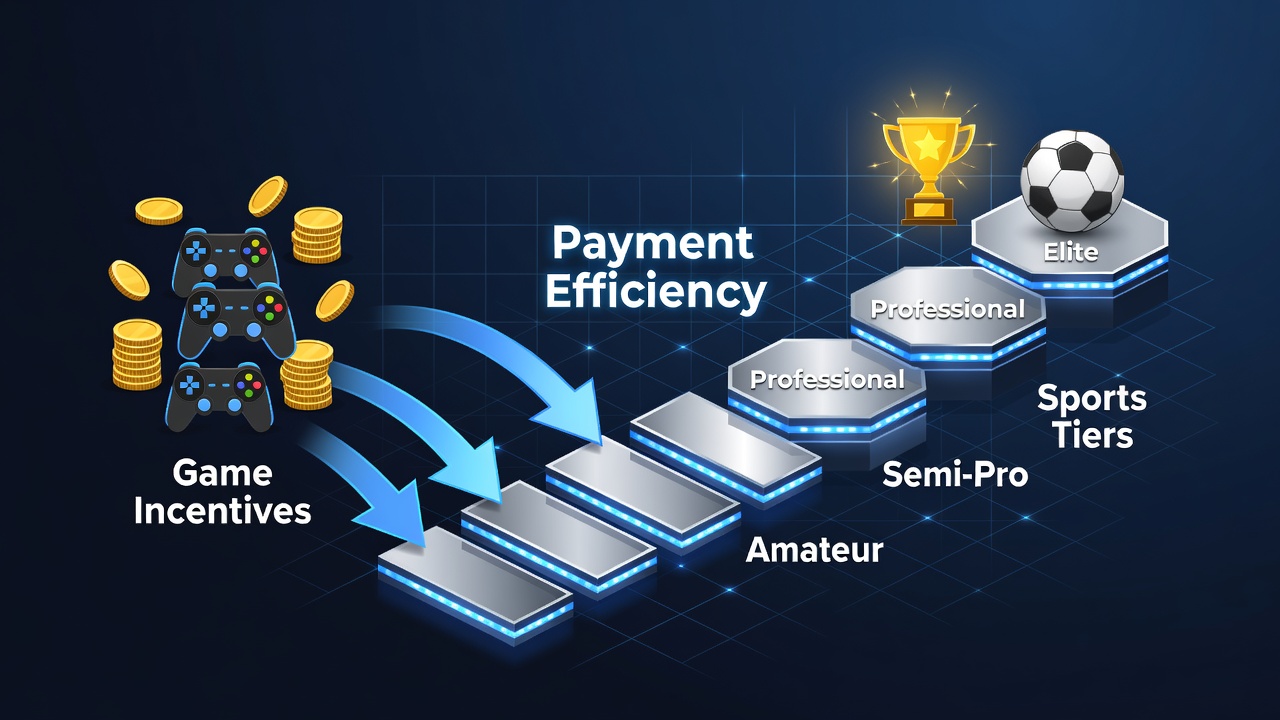
Digital gaming platforms continue to refine systems that link initial reward mechanisms in casino environments with structured advancement in sports betting sections, and payment processing speed stands out as a central factor in these transitions. Operators integrate deposit and withdrawal functions that allow users to move funds between different game categories without extended delays, which supports the accumulation of loyalty points or status levels across both areas. Data from industry reports indicate that platforms with sub-second transaction confirmations see higher rates of player movement from slot-based incentives into sports reward tiers within the same account profiles.
Mechanics of Cross-Category Reward Migration
Payment efficiency enables players to complete required wagering on promotional credits earned in one segment and then apply resulting balances toward sports events, and this process relies on unified ledgers that track activity across verticals. Researchers at academic institutions have documented how real-time reconciliation tools reduce friction during these shifts, allowing status upgrades to activate almost immediately after threshold conditions are met. One study from a North American university examined transaction logs and found that accounts using instant payment rails advanced to sports-specific tiers at rates 35 percent higher than those reliant on batch processing methods.
Operators deploy APIs that connect casino game servers with sports betting engines, and seamless fund movement through these connections helps maintain continuous engagement. When deposits clear without manual intervention, players can transition from no-deposit style incentives into live event wagers while preserving accumulated progress markers. Figures released by gaming associations in Australia reveal that markets with widespread adoption of instant payment solutions recorded a 22 percent increase in cross-category tier advancements during the twelve months ending May 2026.
Technical Infrastructure Supporting Tier Progression
Secure payment gateways now incorporate multi-layer verification that runs in parallel with game activity tracking, which means eligibility for sports tier benefits can be confirmed without separate approval cycles. Industry organizations such as the European Gaming and Betting Association have noted that standardized protocols for instant transfers contribute to more predictable advancement timelines across platforms. These systems handle currency conversions and compliance checks automatically, reducing the instances where players must pause activity while awaiting clearance.
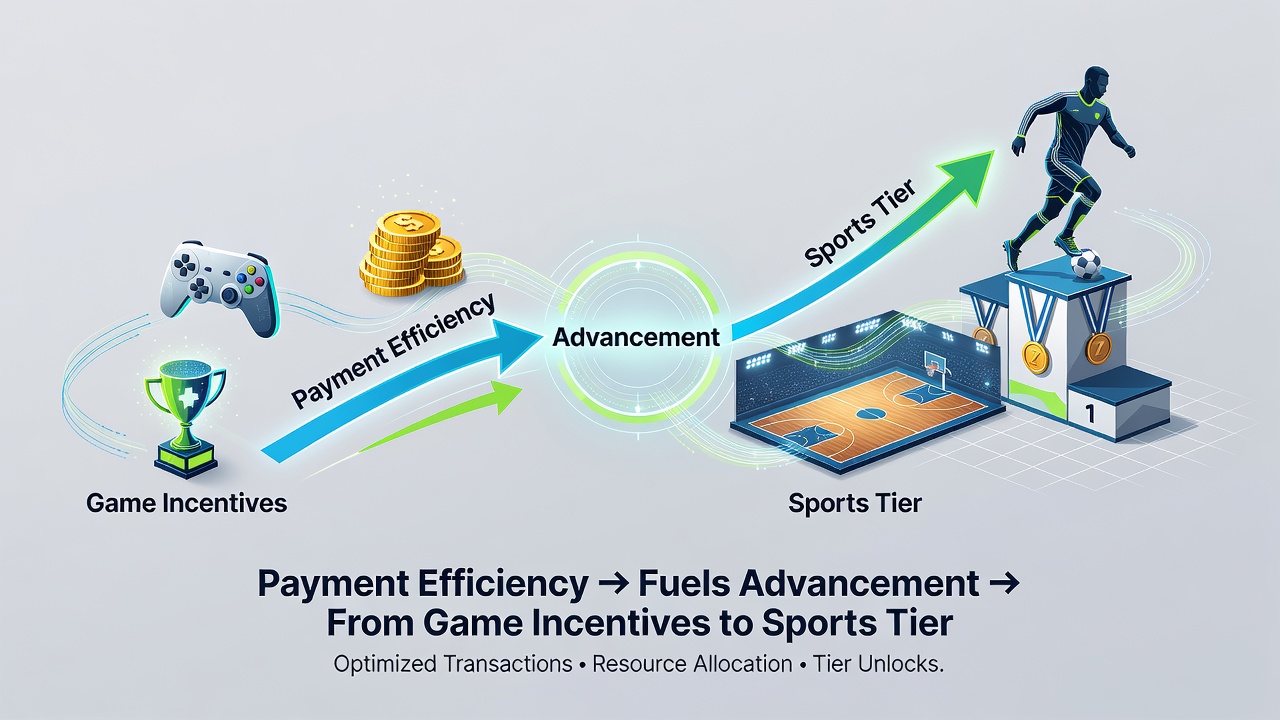
Platforms that prioritize single-wallet architectures allow points earned through casino play to count directly toward sports tier requirements, and this design choice depends on payment rails capable of updating balances across modules in real time. Observers note that regions implementing updated financial technology regulations in early 2026 experienced faster rollout of such integrated systems. Canadian provincial regulators, for instance, published guidelines that encouraged operators to adopt faster settlement standards, resulting in measurable upticks in player progression metrics tracked through June 2026.
Player Journey Patterns Across Incentive Types
Accounts often begin with casino-focused rewards that require minimal initial deposits, then expand into sports sections once payment history demonstrates reliability. Transaction data analyzed by research firms show that users completing at least three swift deposits in the casino phase are more likely to qualify for elevated sports tier access within 30 days. This pattern holds across multiple jurisdictions where payment providers offer tiered speed options tied to account verification levels.
Examples from operational platforms illustrate how cashback earned on table games can fund entry into sports promotion pools without additional steps, provided the underlying payment processor supports instant allocation. Those who've examined user behavior logs report that interruptions in fund movement correlate with stalled advancement, whereas continuous processing sustains momentum toward higher reward brackets. Gaming trade groups in Asia-Pacific markets have shared aggregated statistics indicating similar migration trends when platforms emphasize transaction reliability over the past fiscal year.
Regulatory and Operational Influences on System Design
Authorities outside the UK have introduced measures that indirectly shape payment capabilities in gaming, such as requirements for faster dispute resolution and transparent fee structures. These rules encourage operators to select processors that deliver both speed and audit trails, which in turn support smoother transitions between incentive categories and tiered sports programs. Data collected by independent research bodies confirm that compliance with such standards often aligns with improved player retention across verticals.
By June 2026 several markets had updated licensing conditions to include performance benchmarks for payment speed, prompting wider deployment of technologies that facilitate cross-game progression. Operators responding to these benchmarks report streamlined internal processes that link casino activity logs directly with sports eligibility calculations. The result appears in platform analytics as steadier flows of users advancing through reward structures without manual intervention at each stage.
Conclusion
Payment efficiency functions as a connective element that allows gaming platforms to bridge incentive mechanisms in casino sections with structured advancement opportunities in sports betting tiers. Evidence from transaction analyses, regulatory updates, and operational reports demonstrates consistent patterns where faster processing supports higher rates of cross-category movement. Continued refinement of these systems aligns with broader industry shifts toward integrated account experiences, and available data through mid-2026 reflect ongoing adoption across multiple regions.