9 Jun 2026
Payment Flexibility Fuels Progressive Reward Systems Linking Virtual Reels to Competitive Event Wagers
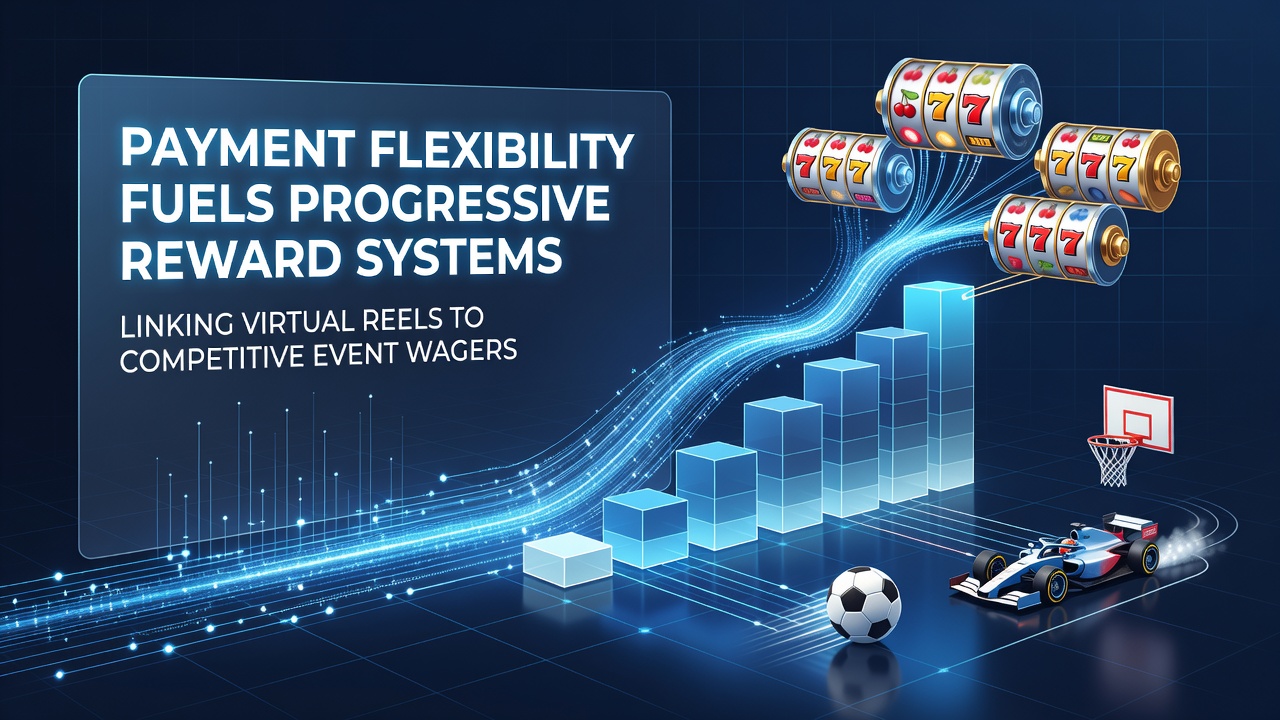
Payment flexibility has emerged as a central driver behind evolving reward structures that connect virtual reel mechanics in slot games with wagers on competitive events such as sports matches and esports tournaments, and operators have integrated instant transfer options with loyalty tiers that accumulate value across both categories since early 2025.
Data from multiple jurisdictions shows that platforms offering same-day payout processing and variable deposit limits experience higher rates of cross-category engagement, where players move accumulated credits from reel spins directly into event-based betting without separate funding steps. According to reports from the American Gaming Association, seamless transaction flows account for measurable increases in combined play volumes during peak seasons.
Mechanics of Flexible Payment Integration
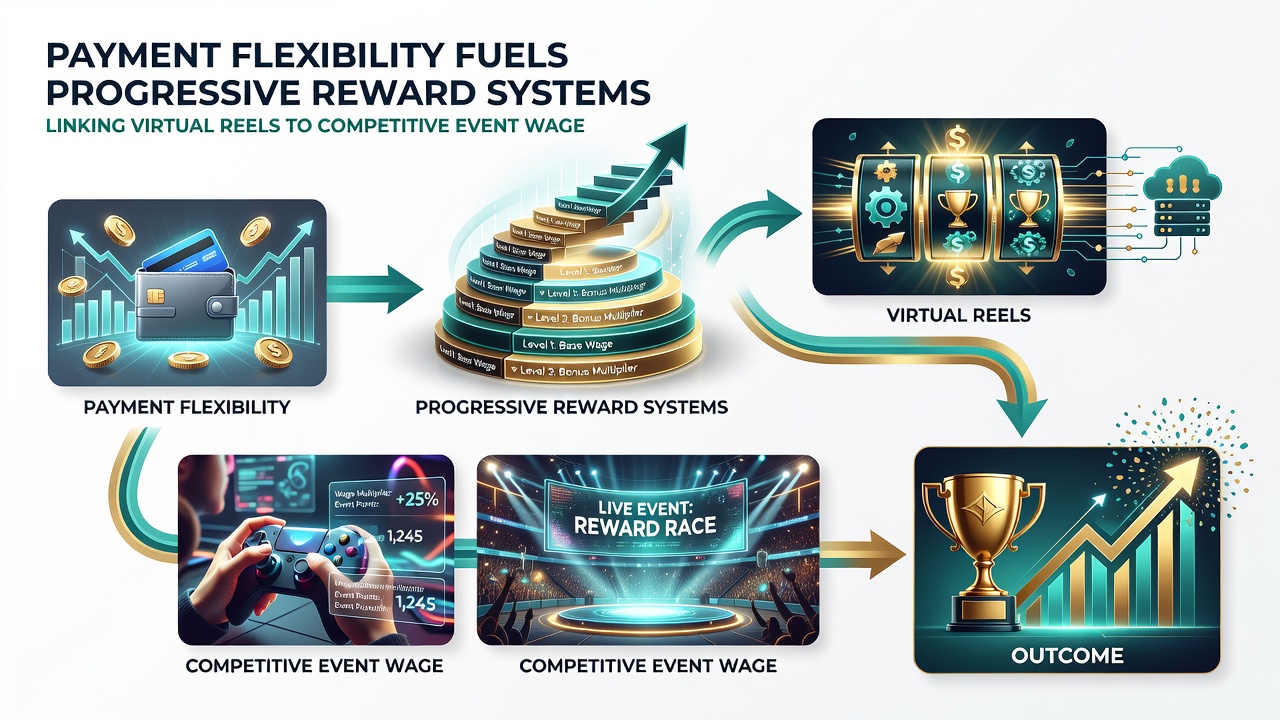
Modern systems allow users to adjust payment schedules and amounts in real time, which in turn feeds progressive reward algorithms that track activity across virtual reels and live competitive wagers. These algorithms assign points based on transaction frequency rather than fixed thresholds, enabling gradual progression through tiers that unlock enhanced multipliers for both slot features and event odds.
Researchers at the University of Nevada's International Gaming Institute documented how variable withdrawal limits correlate with sustained participation in linked reward programs, noting that players who utilize flexible e-wallet options maintain longer session chains that span reel sessions and subsequent sports market entries. The same study highlighted data patterns from North American operators where instant settlement reduced drop-off rates between game types by measurable percentages.
Progressive Rewards Across Reel and Event Categories
Reward systems now layer benefits so that spin outcomes contribute directly to betting credit pools usable on competitive events, and vice versa, creating closed loops that operators manage through unified account ledgers. In June 2026 several platforms rolled out updated APIs that synchronize payment confirmations with reward meter updates, allowing simultaneous crediting for reel bonuses and event wager boosts within a single transaction cycle.
Industry analyses indicate that such linkages depend on payment rails capable of handling micro-adjustments, including partial deposits and scheduled releases that align with event schedules. Those who've examined transaction logs across Australian markets report that flexible timing options coincide with elevated conversion rates from reel play into live event staking.
Regional Data Patterns and Operator Responses
Figures released by the Australian Gambling Research Centre reveal that operators implementing multi-currency flexible payments recorded stronger retention across reel-to-event pathways compared with rigid schedule systems, particularly during major tournament periods. These patterns hold in European markets outside the UK as well, where platforms adapted local banking integrations to support variable funding that feeds unified loyalty ledgers.
One documented case involved a North American operator that synchronized instant deposit confirmations with reel feature triggers, resulting in automatic allocation of event wager credits that players could deploy without additional verification steps. Observers note that such integrations rely on regulatory frameworks permitting real-time reconciliation, a condition met in several Canadian provinces and select US states by mid-2026.
Technical Infrastructure Supporting Linkages
Backend ledgers now reconcile payments across reel and event modules in milliseconds, enabling reward points earned on one side to influence odds or multipliers on the other without manual intervention. Payment flexibility extends to scheduled transfers timed to event starts, which operators use to maintain momentum in progressive systems that span both categories.
Studies from Canadian research consortia indicate that platforms with these capabilities achieve higher average transaction values when players alternate between virtual reels and competitive wagers, because frictionless funding removes barriers that previously segmented the two activities. The infrastructure also accommodates regulatory reporting requirements through automated audit trails tied directly to each payment event.
Conclusion
Payment flexibility continues to underpin reward architectures that merge virtual reel outcomes with competitive event wagers through unified tracking and instant settlement mechanisms. Available data from diverse regulatory environments shows consistent associations between flexible transaction options and elevated cross-category engagement levels, with infrastructure updates in 2026 further streamlining these connections for operators and users alike.