13 Aug 2026
Payment Breakthroughs Empowering Stacked Incentives for Slots and Live Games Enthusiasts
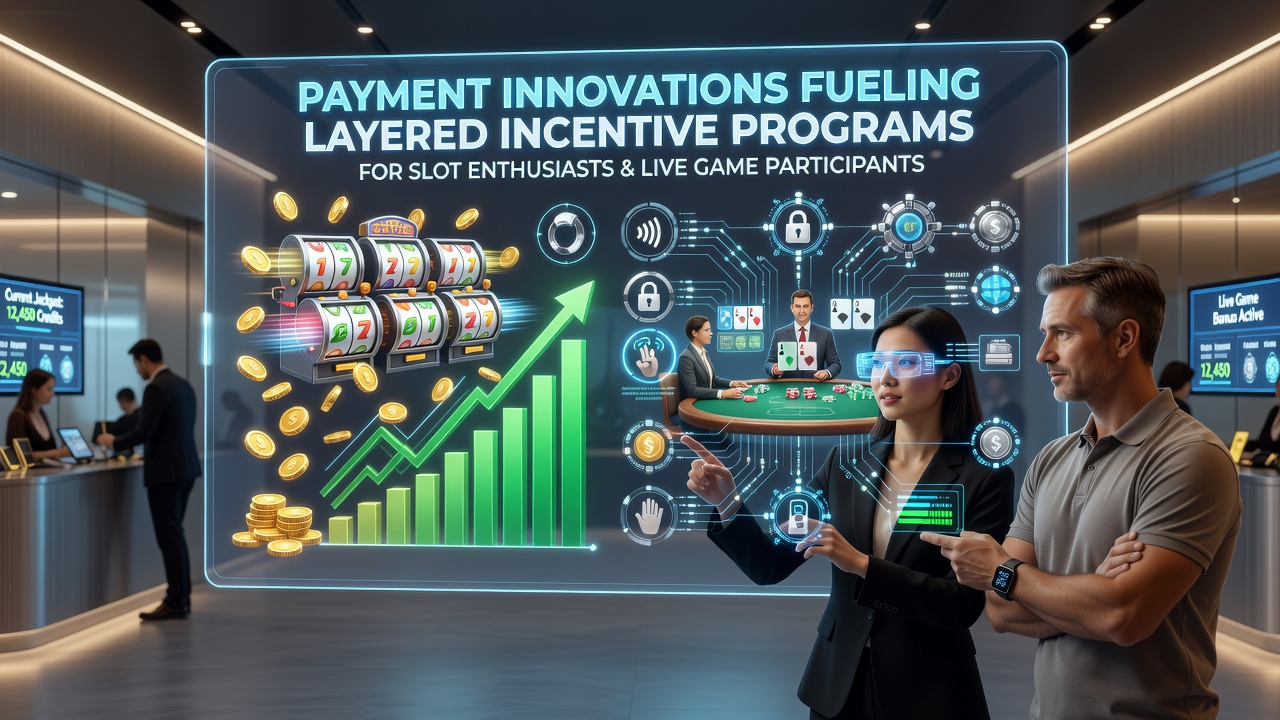
Payment innovations have transformed how operators structure rewards across digital slots and live dealer tables, creating multi-tier programs that combine instant deposits with progressive cashback and spin packages. These systems rely on faster transaction rails such as digital wallets and real-time bank transfers that allow operators to release layered incentives without traditional processing delays. Observers note that by August 2026 several platforms reported measurable increases in player retention when instant settlement features were paired with VIP cashback ladders that activate after specific wager thresholds on both slots and live games.
Core Payment Technologies Behind the Shift
Real-time payment rails now connect directly to player accounts, enabling operators to verify deposits and trigger bonus tiers within seconds rather than hours or days. This speed supports programs where a single deposit can unlock base free spins on mobile slots, additional live dealer table credits, and entry into a higher cashback bracket all at once. Data from industry reports shows that platforms integrating open banking APIs recorded higher average session lengths because players could move funds without leaving the gaming interface. Researchers at academic institutions have documented similar patterns in other regulated markets where seamless payments reduce friction and encourage continued participation across multiple game types.
Layered Structures in Practice
Many programs now stack rewards so that daily login bonuses feed into weekly cashback calculations which then determine monthly VIP status upgrades. A player completing a deposit streak on slots might automatically qualify for live game rakeback percentages that increase with volume, while separate live dealer streaks unlock additional slot free spin packs. These mechanics depend on payment systems that track and settle activity across game verticals in unified ledgers. Operators using unified transaction histories can adjust incentive layers dynamically, moving a participant from one reward band to the next as soon as cumulative spend crosses preset markers. Industry associations tracking adoption rates indicate that such integrated tracking became more widespread after major payment providers expanded support for gambling-specific transaction codes in 2025.
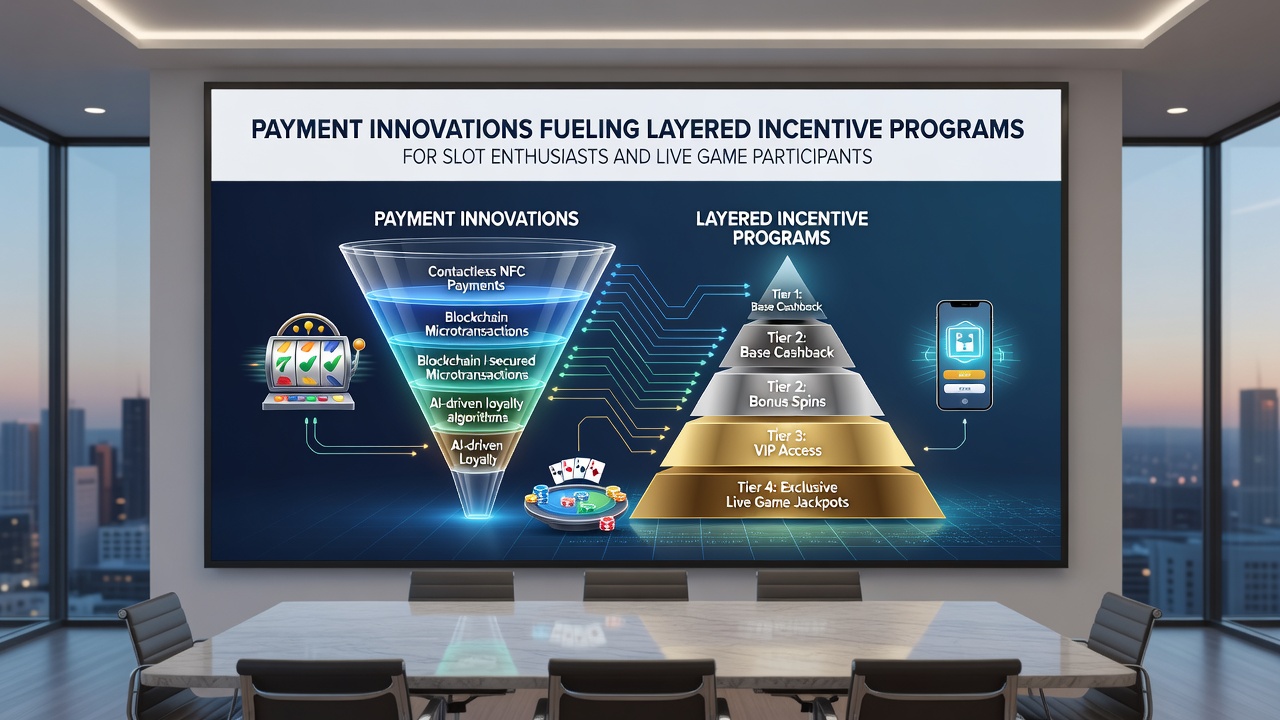
Regional Regulatory Context and Data Trends
Regulators outside the United Kingdom have examined how faster payments affect responsible gambling controls within these layered programs. The Nevada Gaming Control Board published guidance on transaction monitoring that highlights the need for real-time alerts when players move rapidly between deposit tiers. Similar discussions appear in reports from the American Gaming Association, which tracks how payment speed influences both player behavior and operator compliance costs across North American markets. Figures released in mid-2026 showed that jurisdictions permitting instant payout options experienced higher uptake of multi-layer loyalty schemes compared with regions maintaining longer settlement windows.
Technical Integration Challenges
Operators must maintain separate risk engines that monitor payment velocity alongside game activity to prevent misuse of stacked incentives. When a single digital wallet transaction funds both slot play and live dealer sessions, the system needs to allocate portions of that deposit to the correct reward layer without double-counting progress. Several platforms addressed this by adopting modular ledger architectures that record each game type's contribution to the overall incentive total. Technical teams report that these architectures require ongoing calibration because live game rake calculations differ from slot return-to-player mechanics, yet both feed the same cashback or spin multipliers.
Conclusion
Payment innovations continue to underpin the expansion of layered incentive programs by removing delays that once separated deposit actions from reward activation. As transaction rails evolve further, operators gain additional flexibility to combine slot-focused and live game rewards within single player journeys. Regulatory bodies and industry groups continue monitoring these developments to balance player engagement features with appropriate oversight frameworks across different jurisdictions.