6 Aug 2026
Fast Payout Mechanisms Driving Multi-Platform Reward Progressions in Mobile Entertainment Systems
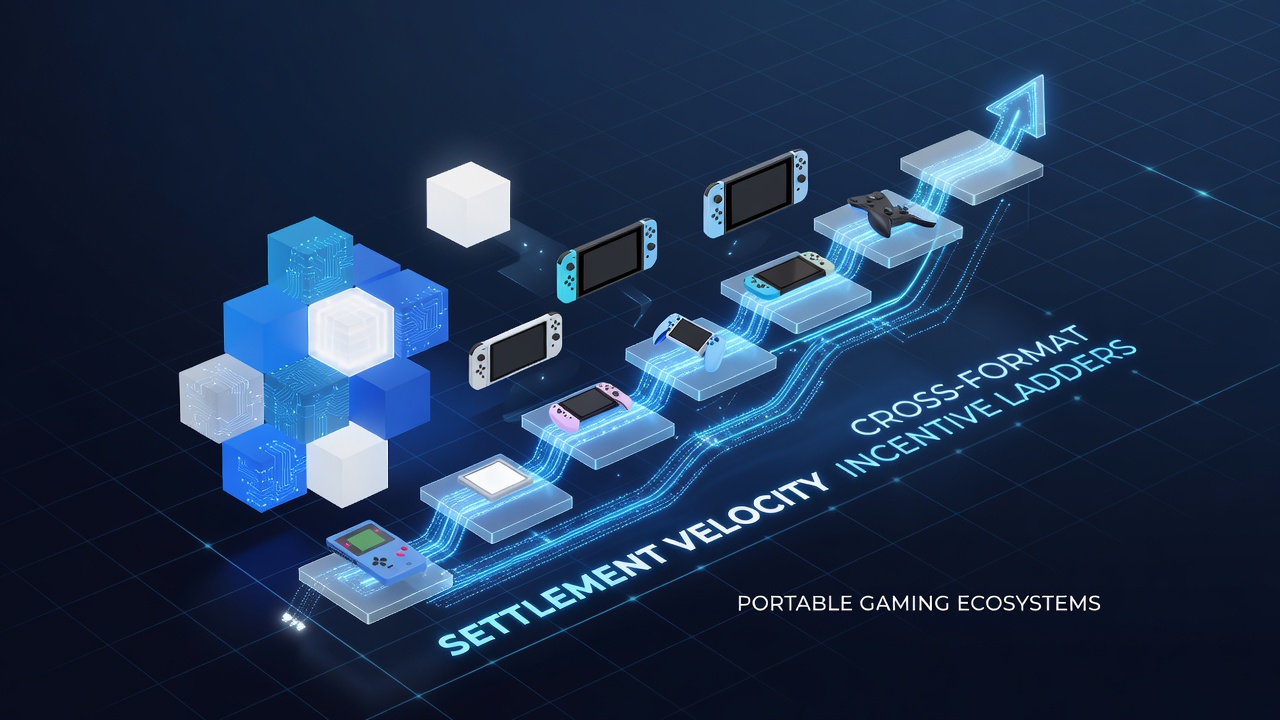
Understanding Settlement Velocity in Portable Platforms
Settlement velocity refers to the speed at which transactions clear and funds become available for further use within gaming applications, and observers note that this metric has gained attention in portable gaming ecosystems since developers began integrating real-time processing across multiple formats. Data from industry reports indicates that platforms achieving sub-second clearances see higher rates of user progression through layered incentive structures, where rewards earned in one game type transfer directly into eligibility for bonuses in another.
Researchers at various academic institutions have tracked these patterns, and figures reveal that mobile users who experience rapid settlements often advance through incentive ladders at accelerated rates compared to those on slower systems. This dynamic appears in ecosystems that combine slot-style mechanics with live table interactions and competitive wagering elements, all accessible via a single portable device.
Cross-Format Incentive Structures Emerging in 2026
By August 2026, several portable gaming operators had expanded programs that link achievements across formats, and evidence suggests settlement velocity plays a central role in making these ladders functional. A user completing a sequence in a mobile slot environment can see points convert instantly into eligibility for sports-related promotions, while the same balance supports entry into live dealer sessions without additional verification delays.
Industry organizations such as the American Gaming Association have documented similar trends in North American markets, where data shows integrated mobile systems reducing friction between different game categories. Those who've studied user behavior patterns report that quicker clearances correlate with sustained engagement across formats rather than isolated play sessions.
Take one case where experts examined a platform connecting casual mobile games to more structured betting options, and findings indicated that settlement times under two seconds allowed participants to maintain momentum when shifting between incentive tiers. What's interesting is how these systems rely on backend integrations that handle currency conversion and reward validation simultaneously, creating seamless transitions that older batch-processing methods could not support.
Technical Foundations Supporting Incentive Ladders
Portable gaming ecosystems depend on application programming interfaces that communicate settlement status across modules, and studies from research institutions show that platforms employing distributed ledger elements achieve more consistent velocity. This setup enables incentive ladders where progress in one area, such as accumulating playtime metrics, unlocks access to elevated reward brackets in unrelated formats like tournament-style events.
According to reports compiled by the European Gaming and Betting Association, European operators adopting unified settlement protocols observed measurable increases in cross-format participation during the first half of 2026. Observers note that these protocols reduce the interval between earning a reward and applying it elsewhere, which in turn supports more complex ladder designs that span multiple game categories within the same application.
Regional Variations in Implementation
Developers in different regions have approached settlement velocity with varying priorities, and data indicates that markets with established digital payment infrastructures tend to lead in cross-format integration. Australian regulatory frameworks, for instance, have emphasized consumer protection standards that align with rapid yet verifiable transaction flows, allowing incentive structures to span mobile slots and interactive betting features without extended holding periods.
Those who've reviewed platform analytics across continents find that settlement velocity acts as a gating factor for ladder complexity, since slower systems limit how frequently users can test new formats using accumulated rewards. Evidence from multiple operator disclosures points to mobile-specific optimizations, such as edge computing for transaction validation, as key enablers of these expanded incentive models.
Conclusion
Settlement velocity continues to influence how portable gaming ecosystems structure cross-format incentives, with available data showing connections between processing speed and user movement through layered reward systems. As platforms refine their technical approaches, researchers and industry groups track how these changes affect participation patterns across different game types and regions. The patterns observed through mid-2026 suggest ongoing evolution in how mobile environments connect distinct entertainment formats through shared incentive mechanisms.