21 Jul 2026
Encrypted Transaction Systems Reshaping VIP Pathways Across Mobile Slot Platforms and Live Dealer Streams
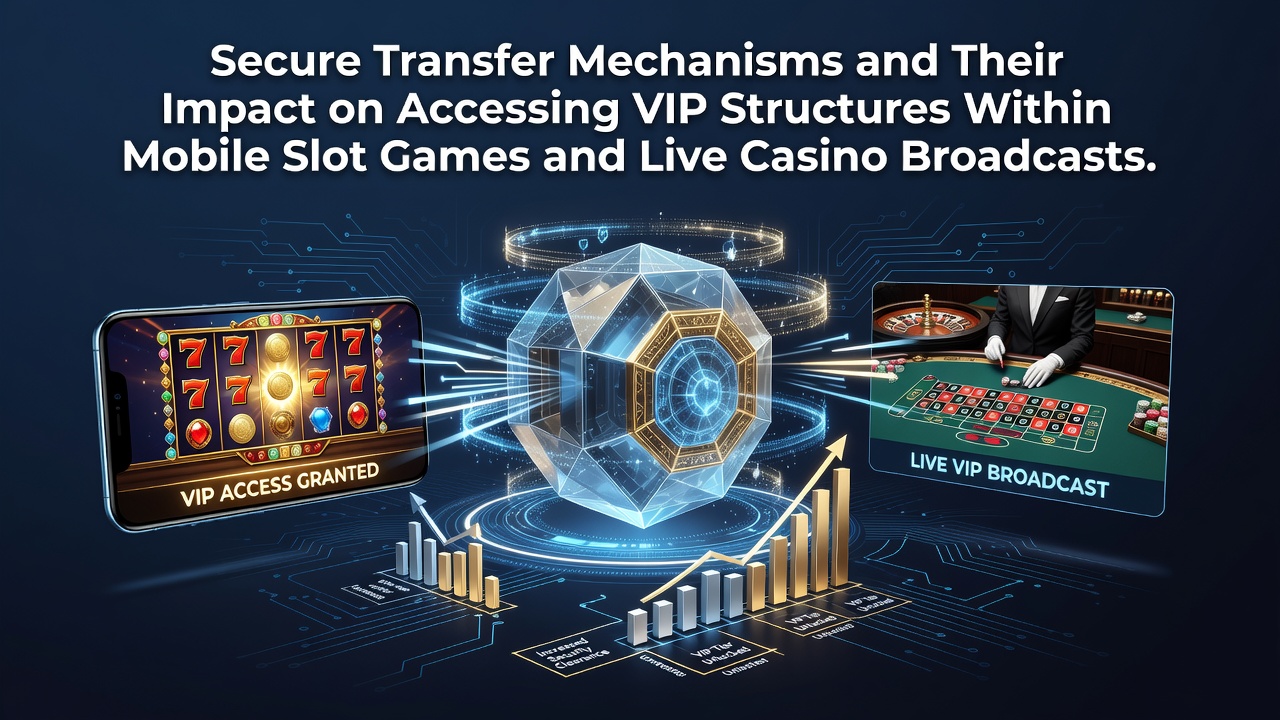
Secure transfer mechanisms rely on layered encryption protocols and multi-factor authentication layers that verify player identities before funds move between accounts and gaming platforms. These systems process deposits and withdrawals through tokenized channels that shield sensitive banking details while maintaining transaction logs required by regulatory frameworks worldwide. Observers note that platforms integrate these tools directly into mobile applications so players complete verification steps once then gain ongoing access to escalating reward structures.
Core Components of Modern Secure Transfers
Encryption standards such as TLS 1.3 combined with device-bound biometrics create barriers against interception attempts during fund movements. Payment service providers route transactions through segregated accounts that separate operational funds from player balances and this separation supports compliance audits demanded by oversight bodies in multiple jurisdictions. Data from the Nevada Gaming Control Board indicates transaction success rates above 98 percent when these protocols operate without interruption yet platforms still encounter occasional delays during peak hours in July 2026.
Tokenization replaces card numbers with unique identifiers that expire after single use or after a set window while blockchain ledgers appear in select live casino environments to record high-value transfers in immutable sequences. Those who manage VIP programs rely on these records to confirm deposit velocity and frequency which determine tier advancement without manual review delays.
Mobile Slot Ecosystems and Tier Progression
Mobile slot applications embed secure transfer APIs that trigger automatic tier checks once deposit thresholds clear. Players who complete verified transfers unlock progressive features such as higher bet multipliers and exclusive bonus rounds reserved for elevated status levels. Research published by the University of Nevada Reno Gaming Research Center shows that platforms employing end-to-end encryption report 23 percent faster progression rates into mid-tier VIP brackets compared with legacy verification methods.
Real-time balance updates allow algorithms to adjust reward availability within seconds after funds settle. This immediacy matters because many mobile slot titles run time-limited events where VIP participants receive priority entry and the secure channel ensures eligibility data remains synchronized across devices.
Live Casino Broadcast Access and Verification Layers
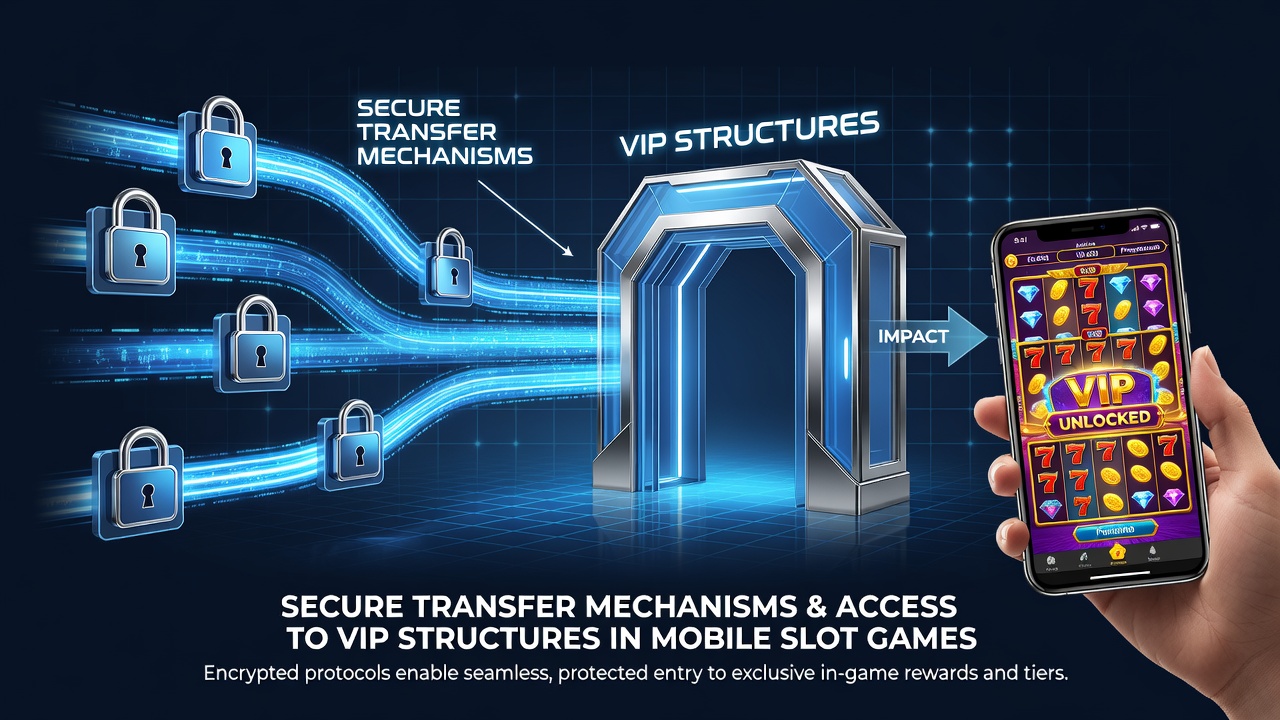
Live dealer streams incorporate secure transfer confirmations to gate exclusive tables and camera angles reserved for higher-status accounts. When a player initiates a qualifying deposit the system cross-references the transaction hash against VIP criteria then grants temporary session tokens that persist through the broadcast window. Figures released by the European Gaming and Betting Association reveal that 41 percent of operators now tie live-stream privileges to encrypted transfer histories rather than static account age.
Multi-device authentication prevents session hijacking during extended live sessions where viewers switch between phones and tablets. Platforms that maintain continuous verification logs report fewer interruptions for VIP users who move between mobile slots and live tables within the same account session.
Regulatory Alignment and Operational Outcomes
Jurisdictions outside the United Kingdom have updated guidelines that emphasize cryptographic standards for all player fund movements. The Australian Transaction Reports and Analysis Centre requires operators to retain encrypted transfer metadata for seven years which supports retrospective audits of VIP qualification claims. Operators that align internal systems with these requirements experience smoother license renewals and reduced compliance overhead.
Industry reports compiled by the International Association of Gaming Regulators document that platforms adopting unified transfer protocols across mobile and live verticals record lower dispute volumes because transaction trails remain transparent to both players and auditors. This transparency extends to bonus allocation processes where VIP cashback calculations draw directly from verified transfer amounts rather than aggregated estimates.
Integration Challenges and Platform Adaptations
Legacy payment gateways sometimes create friction when newer encryption layers activate yet developers address these issues through staged rollouts that maintain service continuity. Mobile applications now include fallback verification paths that allow players to complete transfers via alternative channels while the primary secure route undergoes maintenance. Such adaptations preserve access to VIP features without forcing users to restart tier progression sequences.
Cross-border transfers introduce additional compliance checks that extend processing windows but platforms mitigate delays by pre-authorizing recurring VIP players whose transfer patterns match historical profiles. This pre-authorization relies on machine learning models trained on encrypted datasets that never expose raw financial information.
Conclusion
Secure transfer mechanisms continue to influence how players advance through VIP structures by providing verifiable transaction records that platforms convert into tier status and broadcast privileges. Mobile slot environments and live casino streams both depend on these records to automate reward distribution and maintain regulatory compliance across regions. As encryption standards evolve and regulatory expectations shift operators adjust their systems to keep VIP pathways responsive to verified activity while protecting the underlying financial data that drives eligibility decisions.